
Motherhood is a transformative, love-driven journey that transcends biology, acting as both a foundational support system and a complex, evolving identity shaped by personal sacrifice and societal expectations.
In reality, the journey from conception to delivery is a miracle that humbles even the most accomplished woman.
From the formative stages in the womb that evidently bring changes in the body, to the discomfort and stress as a career person, and the pangs of pain until delivery, there is no better example to epitomize the strength of a woman. That strength doesn’t only lie with biological mothers but is ultimately a testament to an inherent strength that every woman who has the ability to nurture, whether by blood, adoption, or mentorship, is a builder of our future.
It is often said that motherhood is a universal journey, but the path looks different for every woman in Ghana today.
While our national statistics tell us that nearly one in five mothers is raising her children solo (a figure that has steadily climbed over the last two decades) aren’t just numbers; they are the quiet, heroic stories of resilience happening in homes from Cape Coast through Accra to the North.
Behind every percentage point is a mother balancing the weight of the world, navigating the joys and the immense pressures of our changing society.
In Ghana’s maternal health, while long-term progress is notable (dropping from 943 to 234 per 100,000 live births since 2000), recent reports of nearly 1,000 childbirth-related deaths ) were recorded) in in 2025, remind us that advocacy and infrastructure for safer delivery remain urgent.
How can a mother carry a child for nine months and be denied access to a cesarean procedure while in labour due to unavailability of beds in the facility ward? What a painful way to die after a 9-month-long journey.
“Ahhh, all two are gone just like that?” Hmmmmm! How will the husband and family sail through this mental torture?
This sad incident perfectly fits for an essay entitled “The day I will never forget.”
It is difficult to comprehend this, especially in this 21st century, where systems have improved when it comes to mother-and-child delivery, but sadly, some mothers die just by satisfying the cultural construct of societal continuity.
The Striking Difference In Motherhood Today
It is important to take note that the “formula” for motherhood, once defined by clear traditional roles within an extended family context, has effectively dissolved, leaving today’s mother to navigate a complex, often individualistic, and lonely landscape of baby care in most modern sovieties.
Modern mothers often strive to recreate the “village” support system in an urbanized world where grandparents are aging or geographically distant, leaving them to balance professional, domestic, and caregiving responsibilities independently. This situation is further complicated by uninvolved fathers who are unwilling to support their spouses, or women in evolving, complex societies where values have been superseded by rights, leading to many women not valuing the presence of men in their lives, which has exacerbated the already precarious nature of single mothers’ lives.
While women have gained more agency in career and family planning, this freedom comes with the “double burden” of needing to excel in the workplace while still being expected to maintain the traditional standard of care at home.
Motherhood is no longer a sequential life stage but a multifaceted identity that includes financial planning, mental health awareness, and the active dismantling of old gender stereotypes like teaching boys to cook and clean, which was once discouraged.
Now, here comes an irony of the shift from the traditional “stay-at-home” model to the rise of the “baby mama” culture and the independent professional mothers,
reflecting a profound change in societal values. This Baby Mama subculture has relegated the traditional value system placed on fathers to the background instead fusing it into our modern evolution to offer women the needed support.
Today’s women are more educated and financially conscious, often viewing marriage as a potential constraint rather than a partnership.
This “new normal” suggests that for many, financial independence and personal liberty now rank higher than traditional domestic stability of the family systems, which unfortunately should not have been the case.
The “baby mama” paradox has become a striking contradiction. “How come women demand fidelity in marriage yet increasingly choose the path of single motherhood with stable men?” This trend, often driven by a desire to avoid the “stress” of cohabitation, raises critical questions:
The Child’s Perspective: While the mother gains freedom, the child often loses the consistent, daily presence of a two-parent household, which can impact their psychological development.
Societal Shift: We are seeing a move away from the “sanctity of marriage” toward “transactional support,” where the focus is on the child’s provision rather than the union of the parents.
Knowledge vs. Wisdom: Modern women are certainly more informed about their rights and options than previous generations, but this “knowing too much” sometimes leads to a hyper-individualism that prioritizes self-preservation over long-term commitment.
Academic studies, such as those analyzing Ghana Demographic and Health Survey (GDHS) trends, show that the proportion of single motherhood has risen from 14.1% in 1993 to 19.5% in 2014, with data suggesting this is often linked to economic vulnerability and early premarital birth.
Again, recent data from the World Population Review (2026) indicates that approximately 8% of households in Ghana are classified as single-parent households.
On fertility dynamics, the total fertility rate currently sits at 3.3, reflecting a shift in family planning and reproductive choices compared to past decades.
What Must Change
Motherhood must be more attractive and sustainable in Ghana. The focus must shift from viewing it as a private burden to recognizing it as a family, societal and above all national asset. Proper motherhood guarantees the continued sustenance of the family unit which ultimately ensures the survival of human specie on earth.
Recent policy developments, such as the 2026 Maternal Mental Health Policy are a great start, but real change requires a “whole-of-society” approach.
We must bridge the gap between policy and daily reality. Our Institutions and Workplaces must continue to support new mothers.
Extending paid leave and mandating flexible hours for nursing mothers will help a great deal to retain talent and reduce the “career vs. motherhood” conflict.
Workplace facilities must be encouraging for women of childbearing age. The establishment of lactation rooms and subsidized daycare centers in corporate and government offices makes it possible for mothers to return to work without sacrificing their child’s needs.
Reviving the once upon a time “village” through policy, will go a long way to encourage first timers and motherhood in general.
For example, the inception of the free primary health care policy, a new approach by the ruling government should include not just medical care but, psychosocial support groups for new mothers, which helps recreate that lost “village” support network.
Again, as seen in recent banking initiatives, integrating financial literacy training into maternal care can help women plan for delivery there by limiting the burden on a rather responsible mother to plan for the costs of delivery and early childhood, reducing the stress that often leads to burnout.
In all of this, it is worth noting the cultural and family shifts and the shared responsibility that comes with motherhood needs much to be desired. Families must actively encourage men to be equal partners in domestic chores and childcare, while women must value men and do everything necessary to encourage them to stay. As the saying goes, “a man who can care for himself can care for his family and his nation.”
The meagre women representation in parliament with support from their male counterparts who understand the woes and sacrifices women go through to bring another life, must join hands to push for more amendments on laws that do not entirely favour women and also push for new laws that support safe motherhood.
Above all, destigmatization must be encouraged. Community leaders and media houses play a crucial role in shifting the narrative from “victimhood” to “resilience,” ensuring that single mothers and all mothers feel supported rather than judged.
As the world celebrates mothers, we remember notable women and celebrate them as our pillars. We must visit and honour those who define grace, inspite of the every challenge by not looking back, but rather choose to stay beautiful.
The likes of Her Excellency the Vice President of the Republic, Professor Jane Naana Opoku Agyemang, Dr. Joyce Aryee, whose leadership and motherly influence have shaped generations, and Mrs. Rebecca Akufo-Addo, for her consistent advocacy for maternal and child health and the incredible mothers all over the world.
We also honour the “hidden” mothers; the men stepping into nurturing roles despite societal stigma and proving that motherhood is a spirit of care, not just a biological state.
Happy Mother’s Day to all biological mothers, foster mothers, stepmothers, grandmothers, single mothers and Godmothers.
Ref: https://www.myjoyonline.com/central-regional-health-directorate-probes-maternal-death-at-kasoa-mother-and-child-hospital/?
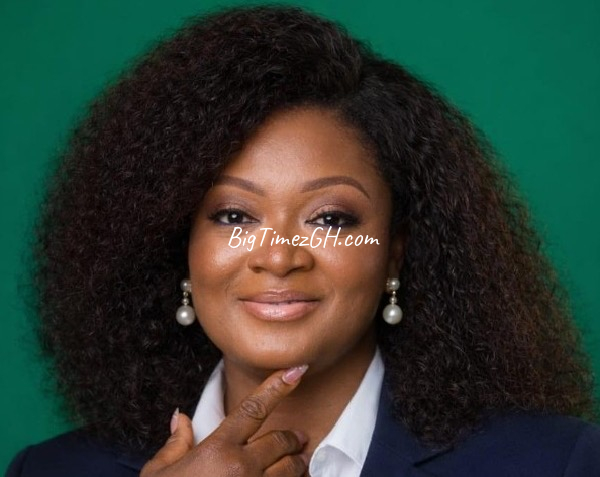
By : Dorinda Armstrong Mensah (Nana Ama Egyirba)
(The writer is an award-winning media professional, broadcaster, a communications strategist with two decades of experience in media and a Tourism and Development Ambassador for Cape Coast. She holds postgraduate degrees in Communication Studies, and Communication and International Marketing, with a background in Business Administration and Marketing. . She is also a passionate advocate for girl-child and women’s empowerment, using media as a tool for social impact).



Comments are closed.