Author

BigTimezGH

Browsing

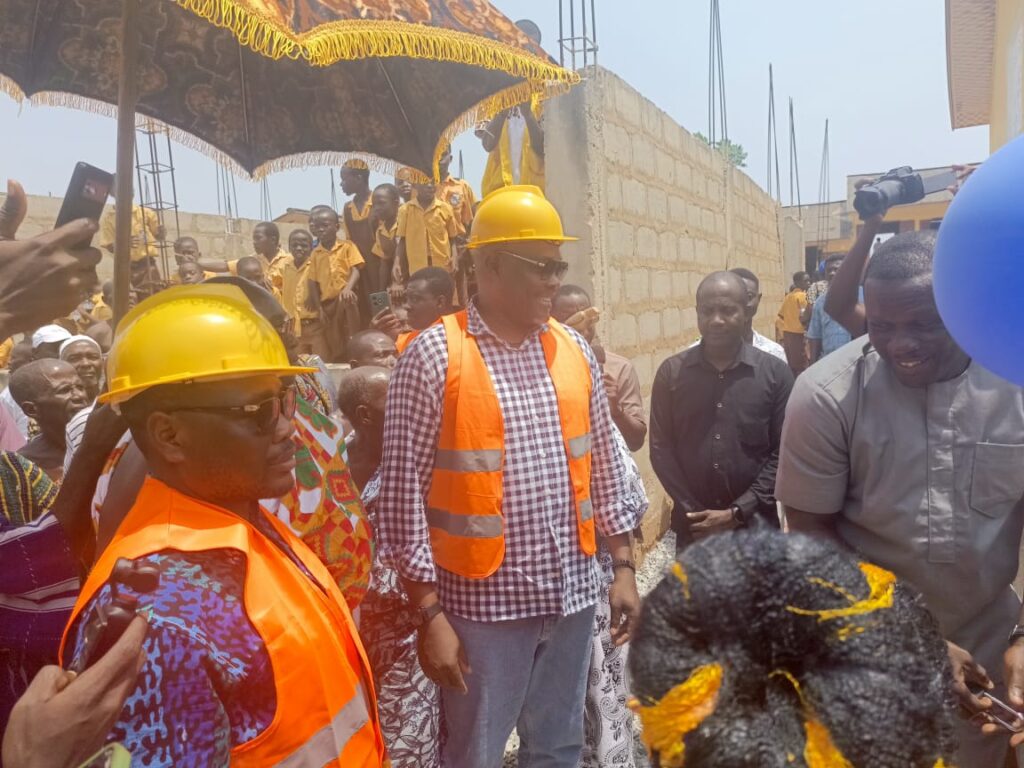
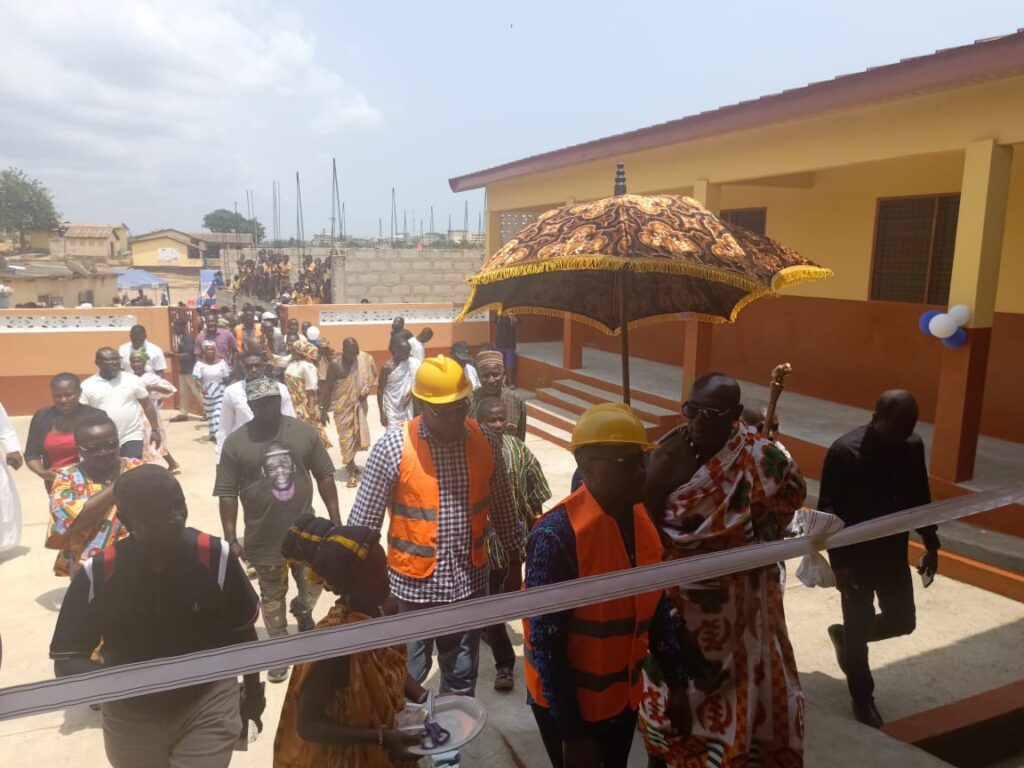
WhatsApp Image 2026 03 05 at 8.55.37 AM 1In a significant boost to social infrastructure, the Metropolitan Chief Executive (MCE) for Cape Coast, George Justice Arthur, and the Member of Parliament (MP) for Cape Coast North, Dr. Kwamena Minta Nyarku, have commissioned a new classroom block and handed over three renovated health facilities in various communities within the constituency.

The development drive began with the formal inauguration of a 6-unit classroom block for the Essuekyir community. The MCE and MP, joined by the Chief of Essuekyir, Nana Jojo Abakah V, and officials from the Ghana Education Service, commissioned the new facility, which includes ancillary facilities designed to foster an improved learning environment.

Following the ceremony at Essuekyir, the MP officially handed over the renovated Ayifua Community Aged Clinic, the refurbished Nkanfoa CHPS Compound, and the newly renovated Brimsu CHPS Compound, underscoring a dual commitment to enhancing both educational outcomes and access to quality healthcare.

A Vision for Educational Infrastructure

Addressing the gathering at Essuekyir, Mr. Solomon Acquah highlighted that the project aligns with President Mahama‘s broader vision to expand educational access through strategic infrastructure development.

Stakeholder Remarks

George Justice Arthur, the MCE for Cape Coast, emphasized that quality education is the bedrock of every society. He stressed that adequate infrastructure is the cornerstone of a conducive teaching and learning environment. The new edifice, according to the MCE, directly addresses critical challenges facing education in the metropolis, including overcrowding due to inadequate classrooms, limited resources, and teacher shortages.

Funded by the District Assembly’s Common Fund, Mr. Arthur described the project as a significant milestone in the pursuit of quality education. “This commissioning is not just about a building; it is a testament to our collective dedication to enhancing educational infrastructure and outcomes in our cherished communities,” he stated. He reaffirmed the Assembly’s commitment, under the leadership of President Mahama, to ensuring equitable access to quality education across all communities.

The MCE also took the opportunity to acknowledge the pivotal role played by the MP, Dr. Kwamena Minta Nyarku, in ensuring the project’s successful completion, as well as the unwavering commitment of Nana Jojo Abakah V, the Chief of Essuekyir, who helped navigate initial challenges.

Dr. Kwamena Minta Nyarku (Ragga), the MP for Cape Coast North, expressed profound gratitude to God and thanked President Mahama and the MCE for their collaborative efforts in addressing a key educational need. He made a passionate appeal to the school’s management and pupils to maintain the facility properly, emphasizing the importance of cleanliness.

“Refrain from touching the walls. The lessons you’re being taught are not on the walls,” Ragga advised the pupils, urging teachers to instruct them on how to preserve the infrastructure. He encouraged the students to approach their academic pursuits with diligence to justify the government’s investment. In a further show of support, the MP pledged to fund the construction of a pavement leading to the classrooms and called on the traditional leader to submit a comprehensive budget for the project.

The Regional Director of Education, Dr. Mrs. Juliet Dufie Otamie, praised the project as evidence of the government’s flagship intervention to improve learning outcomes. “Today is not only about opening a building, but also about opening doors to safer classrooms, better teaching, improved supervision, and higher academic achievement in Essuekyir,” she remarked, expressing gratitude to the MP and MCE for their steadfast collaboration.

Nana Jojo Abakah V, who chaired the ceremony, expressed his satisfaction with the collaborative efforts that led to the project’s timely delivery. He noted with appreciation that the project, which commenced on February 4, 2026, was completed within just two months. He commended the contractor for their swift and committed work and urged the MCE and MP to recommend them for future government projects.

Handing Over Refurbished Health Facilities

Following the commissioning in Essuekyir, Dr. Minta Nyarku proceeded to hand over the newly refurbished Ayifua Community Aged Clinic, the renovated Nkanfoa CHPS Compound, and the newly renovated Brimsu CHPS Compound in succession. These activities collectively form part of the MP’s broader commitment to enhancing access to healthcare and promoting holistic community development.

Source By DC Kwame Kwakye 

WhatsApp Image 2026 03 05 at 1.11.13 AM

Nestled along the Atlantic coastline of Ghana’s Central Region, Senya Beraku is a historic fishing community whose social and economic life revolves around the sea. Fishing is not simply an occupation; it is an inherited livelihood, a cultural identity, and the primary economic foundation of households in the town. For generations, artisanal fishermen have relied on the Atlantic Ocean to sustain their families, contribute to local food security, and power the informal economy that defines many coastal settlements in Ghana.

However, in recent years, the sea has become a site of fear and uncertainty. Fishermen who once braved only unpredictable tides and harsh weather now confront organized maritime criminals operating in the Gulf of Guinea. Piracy has emerged as a pressing security challenge, not only for Senya Beraku but for Ghana as a whole. Between 2014 and 2020, Ghana recorded a total of 28 piracy incidents, underscoring the growing scale of maritime insecurity and the urgent need for state intervention. These incidents highlight that piracy is not an isolated or exaggerated threat but a documented and measurable security concern requiring deliberate policy responses. The situation in Senya Beraku must also be understood within the broader geopolitical shifts affecting West Africa. In the wake of rising insecurity in the Sahelian region, as well as the resurgence of military authoritarian regimes in parts of the West African subregion, the geopolitical and strategic environment has become fragile and volatile (Akinola 2020; Aning 2023; Attuquiyefio 2023). These developments have redefined Ghana’s strategic outlook. Although Ghana remains one of the relatively stable countries politically in terms of peace and border security (Naila 2020; Okandale 2021; Danjibo 2022; Adelphi 2022; Aubyn 2023), it is not insulated from regional turbulence. Indeed, Ghana and its borders have been described as a potential “Red Zone” due to the possibility of terrorist attacks and insurgent infiltration. When compounded by unemployment, increasing poverty, and low agricultural productivity, these vulnerabilities could intensify risks to national security (Akinola 2020; Aning 2023). Within this complex security environment, maritime piracy becomes part of a broader pattern of insecurity threatening livelihoods, economic stability, and national sovereignty. It is against this backdrop that the National Democratic Congress (NDC) government’s intervention in protecting Senya Beraku’s fishermen must be critically examined.

The Rise of Piracy in the Gulf of Guinea and Its Impact on Senya Beraku

On Wednesday, 25th February 2026, fishermen from Senya Beraku in the Central Region of Ghana were attacked by armed men while fishing at sea. According to the Chief Fisherman, Nenyi Mortey VI, the incident occurred at approximately 10:00 PM. The attackers, who were operating a speedboat, reportedly confronted the fishermen and forcibly took away some of their fishing equipment, including outboard motors, generators, and fishing nets. Preliminary reports indicate that seventy-one (71) were involved in this inhuman attack. The perpetrators robbed the fishermen of their outboard motors and other essential equipment, rendering them stranded on the high sea and unable to return to shore.

The Gulf of Guinea has, over the past decade, gained notoriety as one of the world’s piracy hotspots. Criminal networks exploit weak maritime surveillance, porous borders, and limited naval capacity to conduct attacks on commercial vessels, oil tankers, and small-scale fishing boats. Unlike earlier forms of piracy which focused primarily on cargo theft, contemporary maritime crime in the region increasingly involves kidnapping for ransom, armed robbery, and violent intimidation. For the fishermen of Senya Beraku, piracy manifests in deeply personal and devastating ways. Armed attackers intercept fishing canoes or motorized vessels far from shore. Fishermen are robbed of their catch, engines, nets, and fuel, assets often acquired through loans or collective family contributions. In some cases, victims are beaten or held hostage. The trauma inflicted extends beyond physical injury; families endure psychological distress, uncertainty, and financial ruin.

The statistics that Ghana experienced 28 piracy incidents between 2014 and 2020 reinforces the seriousness of the threat. These incidents demonstrate that Ghana’s maritime space has not been immune to the broader insecurity affecting the Gulf of Guinea. Even if some attacks targeted commercial vessels rather than artisanal fishermen directly, the presence of maritime crime creates a climate of fear that affects all who depend on the sea. The vulnerability of Senya Beraku fishermen is exacerbated by their limited capacity for self-defense. Artisanal fishing vessels lack advanced communication systems, radar, or armed protection. Their wooden canoes are no match for organized criminal groups equipped with speedboats and firearms. As such, the fishing community became increasingly exposed to risks beyond their control.

Economic Consequences for the Community

Piracy’s consequences extend far beyond immediate losses. Fishing is the backbone of Senya Beraku’s local economy. When fishermen are unable or unwilling to venture to sea, the entire economic chain suffers. Fish traders, market women, transporters, and cold storage operators all depend on consistent landings. Reduced fishing activity translates into reduced household income, rising indebtedness, and heightened poverty. Insecurity also affects investment and tourism. Coastal towns such as Senya Beraku possess cultural and recreational potential that could attract visitors. However, reports of piracy contribute to negative perceptions of safety, discouraging tourism and external investment. In a national context already grappling with unemployment and low agricultural productivity, the destabilization of fishing communities’ compounds socioeconomic vulnerabilities (Akinola 2020; Aning 2023).
When livelihoods are disrupted, social tensions can intensify. Youth unemployment increases the risk of criminal recruitment, including participation in maritime crime. Thus, piracy not only threatens existing livelihoods but can also create a vicious cycle in which economic hardship fuels further insecurity.

Ghana’s Strategic Environment and Maritime Security

The piracy challenge must be situated within the wider regional security dynamics. The Sahel has experienced a surge in extremist violence, insurgency, and political instability. Coups and military regimes in parts of West Africa have disrupted democratic governance and regional cooperation (Akinola 2020; Attuquiyefio 2023). These shifts have reconfigured the strategic environment in which Ghana operates. Although Ghana remains politically stable relative to many neighbors (Naila 2020; Okandale 2021; Aubyn 2023), its geographic position exposes it to spillover risks. Security analysts have warned that Ghana’s borders could become vulnerable to infiltration by extremist groups. The characterization of Ghana as a potential “Red Zone” underscores that maritime insecurity cannot be divorced from broader national defense concerns.
Maritime security is integral to national security. Ghana’s economy depends on offshore oil production, commercial shipping, and fisheries. If piracy proliferates unchecked, it threatens economic growth, food security, and international trade. The 28 recorded piracy incidents between 2014 and 2020 illustrate that the state could not afford complacency.

The NDC Government’s Immediate Security Interventions

Recognizing the urgency and gravity of the escalating maritime insecurity confronting coastal communities such as Senya Beraku, the NDC government adopted a multi-layered and time-sensitive response strategy aimed at restoring confidence, reinforcing deterrence, and strengthening operational capacity within Ghana’s maritime domain. The interventions were not merely symbolic gestures but structured measures designed to produce immediate reassurance while laying the groundwork for sustainable maritime governance.

First, there was a marked enhancement of naval and maritime security presence along Ghana’s coastline. The Ghana Navy intensified patrol operations in key fishing corridors, particularly in areas identified as vulnerable to piracy activities. These patrols were conducted in coordination with the Ghana Police Service Marine Unit to ensure broader law enforcement coverage. The increased frequency and visibility of patrol vessels served both a preventive and psychological function. From a deterrence perspective, the presence of armed security forces complicated the operational environment for pirate groups, raising the risks associated with attempted attacks. From a community standpoint, the visible patrols restored a sense of state presence in spaces where fishermen had begun to feel abandoned.

In addition to physical patrols, surveillance architecture was strengthened. Maritime domain awareness was improved through enhanced monitoring systems and better coordination between coastal observation points and naval command structures. Communication channels between fishing vessels and security agencies were streamlined to reduce response time in distress situations. Fishermen were encouraged to report suspicious movements promptly, and rapid-response protocols were refined to ensure that distress signals triggered immediate deployment. In maritime security operations, the window between detection and interception is often decisive; delays can allow criminals to escape across maritime boundaries. By improving communication and response systems, the government sought to prevent robbery incidents from escalating into kidnappings or prolonged hostage situations.

Furthermore, intelligence-led operations became central to the anti-piracy strategy. Rather than relying solely on reactive patrols, security agencies invested in intelligence gathering and inter-agency information sharing. This shows that piracy networks are often organized and transnational, requiring proactive disruption rather than episodic confrontation. Regional cooperation formed another pillar of the swift response. Recognizing that maritime crime in the Gulf of Guinea is transboundary in nature, Ghana strengthened collaborative arrangements with neighboring states such as Côte d’Ivoire and Togo. Joint patrols, intelligence exchanges, and coordinated surveillance activities were enhanced to close gaps that pirates might exploit. This regional engagement aligned with broader Gulf of Guinea maritime security frameworks and reflected the understanding that unilateral enforcement is insufficient in a shared maritime space.

Presidential Directive and Swift Response by The Ministry of Fisheries and Aquaculture

A particularly notable demonstration of executive responsiveness occurred at the highest political level. On 27 February 2026, the President directed the Minister of Fisheries and Aquaculture to replace outboard motors of the fishermen who lost their fishing gear during the piracy attacks. In line with this directive, the Minister of Fisheries and Aquaculture Hon. Emelia Arthur with support from the Member of Parliament for Awutu Senya West Hon. Gizella Tetteh-Agbotui on Tuesday, 3rd March, 2026 presented outboard motors to the affected fishermen on behalf of Government. Outboard motors represent the most critical operational asset for artisanal fishermen; without them, canoes cannot venture far into productive fishing zones. Their loss effectively paralyzes a fisherman’s livelihood. By issuing a direct order for replacement support, the President framed the crisis not only as a security issue but also as an urgent socioeconomic emergency. This directive translated into swift administrative response to the plight of the venerable fishermen. The rapid turnaround between directive and implementation underscored the government’s commitment to immediate relief. It demonstrated that state intervention was not confined to policy pronouncements but extended to tangible, time-bound assistance. The gesture had both practical and symbolic significance. Practically, it enabled fishermen to resume operations without prolonged financial paralysis. Symbolically, it reinforced trust in governmental responsiveness at a time when public confidence could easily have eroded.

The speed of this intervention also functioned as a deterrent message. By restoring operational capacity quickly, the government prevented pirate groups from achieving their broader objective of crippling local economies through asset theft. If fishermen had remained immobilized for extended periods, the cumulative economic impact would have magnified insecurity and possibly fostered further instability. Collectively, these measures, intensified naval patrols, improved surveillance systems, strengthened intelligence coordination, regional cooperation, and rapid economic relief through the replacement of outboard motors, illustrate a comprehensive and swift governmental response. The interventions addressed both the immediate security vacuum and the underlying livelihood disruptions caused by piracy. In doing so, the NDC government positioned maritime security not as an isolated enforcement concern but as an integrated component of national stability, economic protection, and community resilience.

This points to the government’s commitment to protecting Ghanaian Fishermen and securing our territorial waters. The recently enacted Fisheries and Aquaculture Act 2025, (Act 1146) strengthens enforcement, monitoring and safety mechanisms within the fisheries sector. In line with these reforms, the Ministry is implementing additional measures, including improved registration and licensing of fishing canoes, introduction of GPS tracking and long-range communication systems for artisanal vessels and roll out of insurance and pension schemes for fishermen.

Government is also enhancing naval petrol capacity to strengthen surveillance, deterrence, and rapid response at sea.

A Call for Legal and Institutional Reforms

The immediate security deployments and relief measures were reinforced by deliberate legal and institutional reforms aimed at creating a sustainable framework for combating maritime crime. Recognizing that naval patrols alone cannot permanently eliminate piracy, the government should move to strengthen the legal architecture governing maritime security. Stronger anti-piracy legislation, accompanied by enhanced penalties, must be prioritized to ensure that maritime offenders face swift and proportionate consequences. The objective is clear: deterrence through certainty of punishment. When criminal actors perceive a high probability of prosecution and conviction, the incentive to engage in piracy diminishes significantly.

In practical terms, enforcement mechanisms need to be tightened to ensure that arrests translate into successful prosecutions. Historically, gaps in maritime law, evidentiary challenges, and jurisdictional ambiguities have undermined anti-piracy efforts in parts of the Gulf of Guinea. By clarifying legal definitions, expanding prosecutorial authority, and streamlining judicial procedures related to maritime offenses, the government will close these loopholes. Effective enforcement does more than punishing offenders; it reinforces the credibility and authority of the state within its territorial waters.
To operationalize these legal reforms, specialized maritime task forces must be established with mandates focused specifically on piracy and related maritime crimes. These units must bring together personnel from the Navy, the Marine Police, Fisheries Enforcement Unit, Intelligence Services, and Prosecutorial bodies to ensure coordinated investigation and case management. The integration of security and legal expertise will reduce fragmentation and improve case preparation, thereby increasing conviction rates. Such institutional synergy is essential in dealing with organized and often transnational criminal networks.

Institutional strengthening must further extend to capacity-building initiatives. Maritime agencies should benefit from targeted training programs in surveillance operations, maritime interdiction, intelligence analysis, evidence preservation, equipment acquisition, ranging from patrol vessels to communication and tracking technology, enhanced operational readiness. Improved coordination mechanisms among the Navy, police, customs authorities, and intelligence agencies will ensure that responses to maritime threats become systematic rather than reactive. By institutionalizing cooperation, the government reduced duplication of efforts and strengthened real-time information sharing.
Importantly, these reforms should be consolidated through the development of a new anti-piracy law. The proposed legislation is expected to modernize Ghana’s maritime legal framework, align domestic law with international maritime conventions, and provide clearer prosecutorial tools to address piracy comprehensively. Once enacted, the law will further strengthen deterrence and close residual gaps that criminal networks might exploit. Its anticipated passage signals the government’s recognition that piracy requires not only operational responses but also durable legislative backing.

These legal and institutional measures must also be understood within Ghana’s broader security landscape. The country operates in a region marked by instability, extremist violence, and fragile governance structures (Akinola 2020; Aning 2023). The possibility of terrorist infiltration and insurgent spillover heightens the importance of securing maritime borders, which can otherwise serve as entry points for illicit trafficking and organized crime. A robust maritime security framework, therefore, contributes not only to the protection of fishermen but also to national resilience and territorial integrity.

Conclusion
The plight of Senya Beraku fishermen encapsulates the intersection of local livelihoods and global security dynamics. What began as isolated attacks on fishing vessels evolved into a broader security challenge shaped by regional instability, economic vulnerability, and transnational crime. In a West African context marked by Sahelian insurgency, military authoritarian resurgence, and fragile borders (Akinola 2020; Aning 2023; Attuquiyefio 2023), Ghana’s maritime domain required vigilant protection. Although Ghana remains relatively stable politically (Naila 2020; Okandale 2021; Aubyn 2023), its designation as a potential “Red Zone” underscores the importance of proactive security measures. The record of 28 piracy incidents between 2014 and 2020 served as a wake-up call.
This calls for government’s interventions such enhanced naval patrols, regional collaboration, legal reforms, and community engagement as a comprehensive response to piracy. By addressing both immediate threats and structural vulnerabilities, the government sought not only to protect fishermen but also to safeguard national security. As Senya Beraku’s fishermen return to sea, their resilience symbolizes the enduring relationship between coastal communities and the state. It must be emphasized that sustained commitment, regional cooperation, and socioeconomic development will remain essential to ensuring that Ghana’s waters remain a source of livelihood rather than fear.

Dr. Eric Cobbinah
[Dip; ICM UK; Cert International Fisheries Law; IMLI; B.A. (Hons); M.A.; Ph.D.; LLB; LLM; BL Candidate, LLM Energy Law Candidate]
Ag. Deputy Executive Director
Fisheries Commission

Source By DC Kwame Kwakye

WhatsApp Image 2026 02 27 at 9.36.56 AM 1

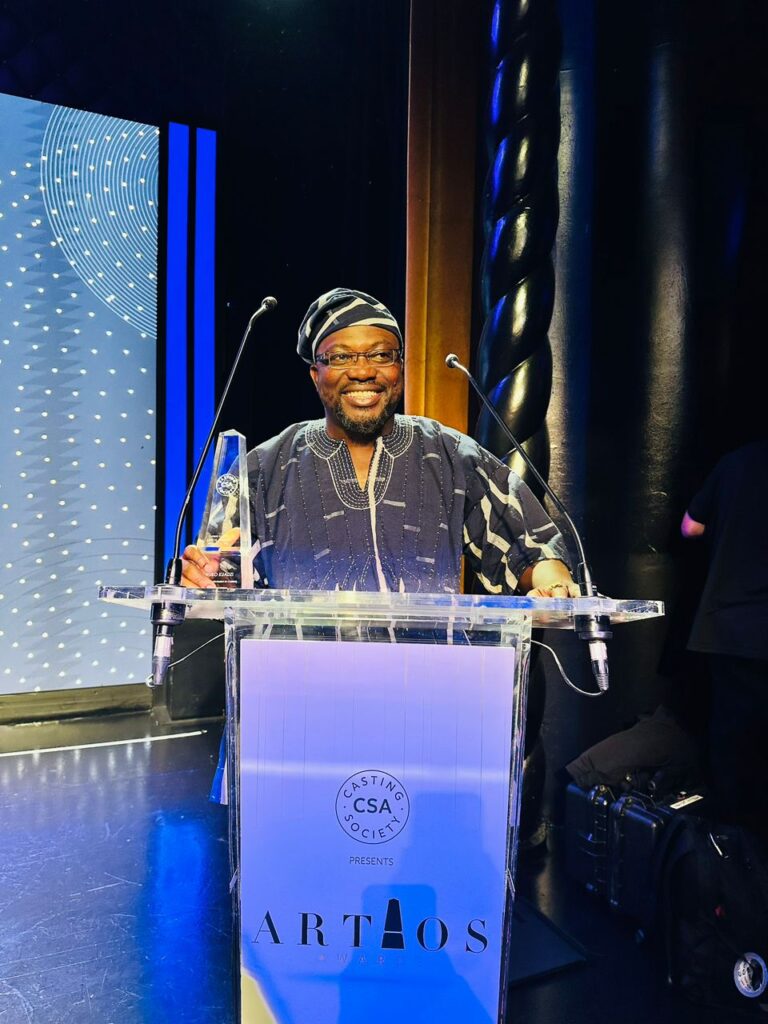
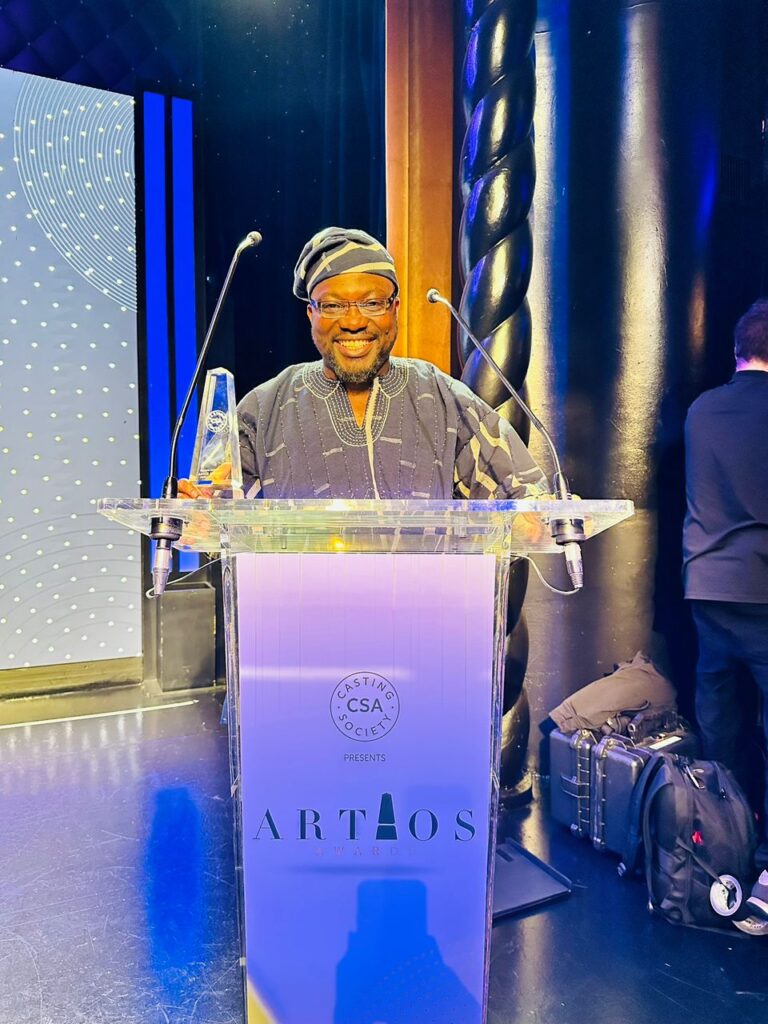
New York, USA – Ghanaian casting director Mawuko Kuadzi and CEO of MK Casting has won Best International Feature at the 41st Artios Awards, emerging at the top of a highly competitive global category and reinforcing Africa’s growing authority in international creative expressions.

The ceremony, hosted at The Edison Ballroom in New York on the evening of 26th February 2026, saw Mawuko Kuadzi prevail over strong contenders from Asia and Europe. The International Feature category included Kokuho, cast by Japan’s Masunobu Motokawa, and Sound of Falling, cast by Berlin’s Karimah El-Giamal. Kuadzi secured the award for his casting work on The Fisherman, placing Ghana firmly among the world’s most respected creative markets.

Organized annually by the Casting Society of America (CSA), the Artios Awards recognize excellence in casting across film, television, and commercial productions. This marks Mawuko Kuadzi’s second Artios win in consecutive years. The awards which were also held simultaneously at The Beverly Hilton in Los Angeles, and the One Moorgate Place in London honored the best in originality, creativity and contribution of casting professionals to the overall quality of a film, television series, short form projects, theatre production and commercials around the world.

Also Check Out: Unity or stagnation? Asiedu Nketia makes case for retaining Dr. Minta Nyarku in Cape Coast North

At the 40th edition last year, Mawuko Kuadzi made history as the first African ever to win an Artios Award since its inception, taking home Best Casting for a Commercial for his work on the NFL Super Bowl production Born to Play. That victory, linked to the NFL Super Bowl broadcast, carried symbolic weight across the continent.

Reflecting on his journey during his acceptance speech, Mawuko expressed gratitude to the CSA membership and organizers. “ I am deeply grateful to the Almighty God for this award. Thank you to the Casting Society and the Artios Awards Committee for this honor. Thank you to all the members who voted for me. Thank you to the Director of Fisherman Zoey Martinson for the opportunity to work with you and the entire Cast and Crew. God bless everyone who continues to open this platform to the voices from every part of the world. Your commitment to excellence and inclusivity gives professionals like me, working far from traditional industry centers, the opportunity to stand on a truly global stage.”

He added that the recognition should serve as encouragement to emerging artists. “If you put in the effort, remain faithful to your craft, and commit fully to excellence, even from the most remote corner of the world, your work can travel. The world will take notice.”

His first Artios win resonated far beyond the awards stage. The honor prompted courtesy visits to several African embassies in Ghana, where the achievement was celebrated as a continental milestone. He was also received at the United States Embassy in Accra, underscoring the diplomatic and cultural significance of the moment.

This year’s victory has already triggered another wave of recognition. Scores of congratulatory messages have poured in from across Africa, Europe, America, and the broader creative diaspora. Industry leaders, filmmakers, actors, and young creatives have taken to social platforms and professional networks to hail the win as a triumph not only for Ghana, but for the continent.

President of the African Chamber of Content Producers, Nana Dwomoh-Doyen Benjamin, congratulated Mawuko Kuadzi on behalf of African content creators. “Mawuko’s achievement confirms that African storytelling is not peripheral to global cinema,” he said. “We commend the CSA and the Artios organizers for their impartial recognition of stories and voices from every region. This is how global standards are strengthened.”

Nana Dwomoh-Doyen added that Mawuko’s back-to-back wins have raised expectations for African casting and production quality. “He has set a benchmark. Young creatives across the continent can now see that excellence is rewarded, and that authenticity has value on the world stage.”

The Fisherman, which earned Mawuko Kuadzi his International Feature win, had already gained momentum on the continent, winning Best Ghanaian Film at the REFFA Awards and securing the Lead Actor prize for Best Actor in Africa. The Artios recognition now gives the project further global validation.

As Mawuko Kuadzi prepares for his next major projects in 2026, including Kismet to be shot in NigeriaEchoes of Unity in Uganda, and the Africa Monologue Challenge scheduled for Ivory Coast, industry observers say the bar has been raised.

With two successive Artios wins, Mawuko Kuadzi has not only elevated Ghana’s standing in global casting but has also strengthened Africa’s claim to authentic, compelling storytelling. For many across the continent, his journey stands as proof that African creativity, when matched with discipline and vision, commands respect on the world’s most recognized stages.

Story: Mk Content
CC; Zolla Nie


ANTOIENDNAS

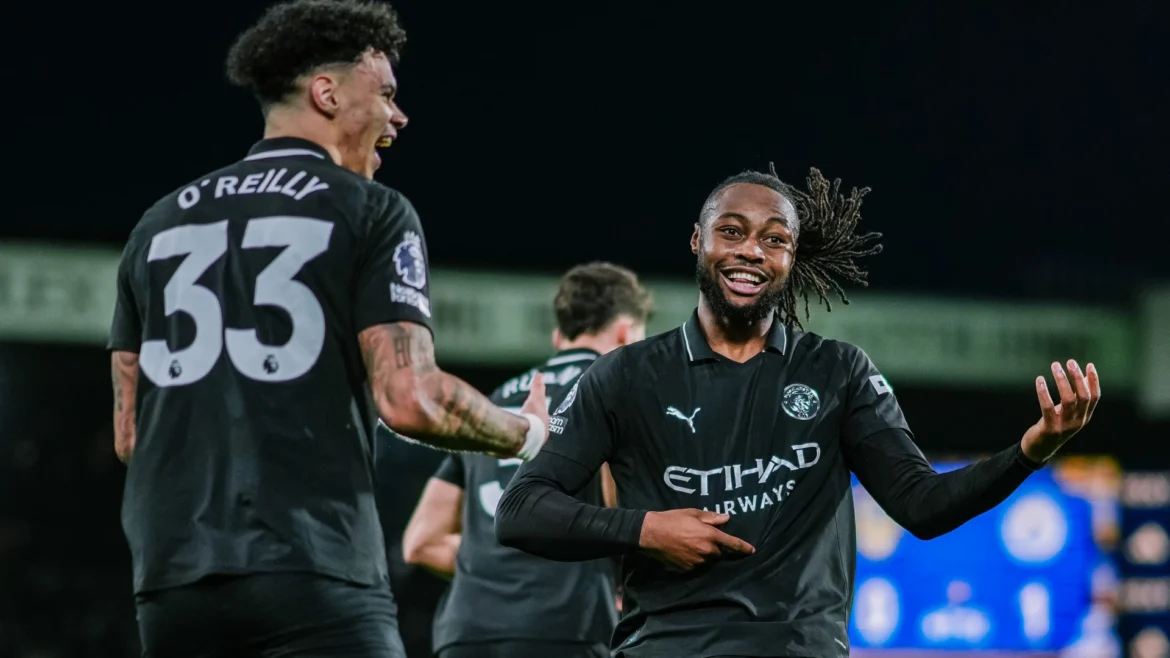
Ghanaian forward Antoine Semenyo has opened up on the inspiration behind his viral guitar celebration following his goal in Manchester City’s crucial victory over Leeds United at Elland Road.

The 26-year-old continues to shine in the Premier League, delivering consistent performances for the title contenders. Semenyo netted his fourth goal in seven league matches as City reduced the gap at the top of the table to just two points.

The decisive moment came just before halftime when Semenyo expertly slid home a pinpoint cross from Rayan Aït-Nouri, securing all three points for Pep Guardiola’s side in a tightly contested encounter.

However, it was his post-goal celebration that captured the attention of fans worldwide. After finding the net, Semenyo mimicked playing a guitar a celebration that quickly went viral across social media.

Speaking after the game, the Ghana international revealed the celebration was inspired by his close friends.

“A few friends said I should do something funny if I scored, so it’s the first thing that came up in my head,” Semenyo explained.
“Nice guitar, good performance, the crowd loved it — and that’s it.”

The victory ensures Manchester City remain firmly in the Premier League title race, keeping pressure on leaders Arsenal, who are set to face Chelsea at the Emirates Stadium.

Semenyo also emphasized the importance of the win and City’s mindset heading into the final stretch of the season.

“It means everything to close the gap,” he said.
“We just want to win all our games on our side and whatever Arsenal do we’ll have to wait and see.
We have to control what we can control.”

With his confidence soaring and form peaking at the right time, Semenyo could play a key role in Manchester City’s push for silverware this season.

Source By BigTimezGH

6029744f 5f5a 4666 a313 c9e9ffc9a068

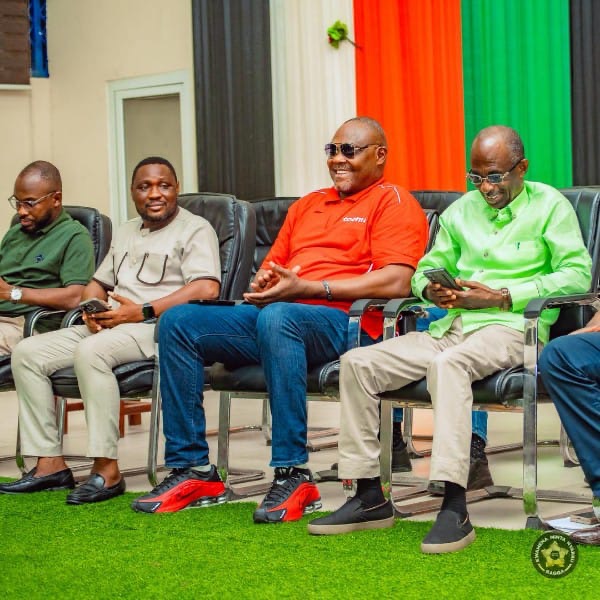
The National Chairman of the National Democratic Congress (NDC), Johnson Asiedu Nketia, has launched a passionate defence of the party’s parliamentary candidate for Cape Coast North, Dr. Kwamena Minta Nyarku, urging constituents to resist the urge to “chop and change” their representative.

Addressing party faithful during a “Thank You Tour” in the constituency on Saturday, February 14, 2026, the veteran political operative, affectionately known as ‘General Mosquito,’ described Dr. Nyarku as a bold, confident, and knowledgeable leader who deserves another term.

“I know you have a good MP,” Nketia told the gathering. He advised that recent tensions and misunderstandings between the legislator and some party members should be set aside in the interest of progress.

Drawing on the popular Akan proverb, “Woforo dua pa a na yepia wo” (It is when you climb a good tree that you get support), he made a direct appeal for unity. His argument hinged on political pragmatism: retaining an MP allows them to climb the political ladder, and as they rise, they pull the constituency up with them.

“A constituency that frequently changes its MP falls behind,” he warned. According to Nketia, development is not an overnight venture. “Normally, when an MP starts planning and implementing development, changing him mid-stream thwarts his efforts. Longevity in Parliament translates into sharper lobbying skills and greater influence.”

ALSO CHECK:Ansgar Knauff Is a High-Value Impact Player – Markus Krösche

The NDC Chairman’s visit was also a broader mission of gratitude. On behalf of President John Dramani Mahama and the party leadership, he thanked the constituents for their dedication in securing the party’s recent electoral victory. “You have not been overlooked,” he assured them. “The President is diligently working to improve lives, and your role will be remembered.”

While acknowledging ongoing litigation that surrounded the MP’s candidacy in the 2024 elections, Nketia pointed to his ultimate victory as proof of popular support. He suggested that a unified front would make that margin even more decisive in the future.

In a final note that underscored his influential but non-authoritarian role, Asiedu Nketia clarified his intent. “It is not my duty to impose an MP on any constituency,” he stated. “But when I detect a viable path, my responsibility is to point it out to you. If you adopt that path, you will reap the benefits.”

Source By DC Kwame Kwakye


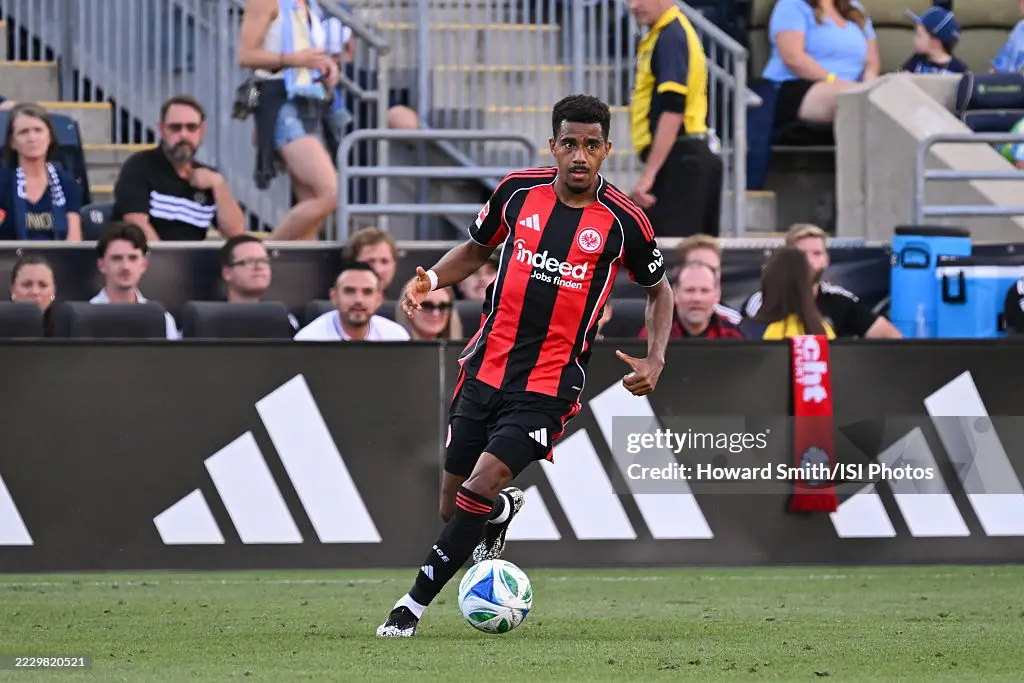
manner knauff hero 0b9dGerman-Ghanaian winger Ansgar Knauff has firmly established himself as a crucial figure at Eintracht Frankfurt even when he is not named in the starting XI.

At 24, Knauff has embraced a role many players struggle to accept: the super-sub. But for Frankfurt, he is far more than just a bench option he is a game-changer.

The Ultimate Impact Substitute

In Frankfurt’s recent clash against Borussia Mönchengladbach, Knauff once again demonstrated why he is considered one of the Bundesliga’s most dangerous impact players.

Moments after coming on, he sensed hesitation in the opposition defence, accelerated to a blistering 34.9 km/h, and calmly slotted home to score his third goal as a substitute this season. It was a goal that highlighted everything that defines him pace, awareness, and composure.

Across competitions the Bundesliga, UEFA Champions League, and the DFB-Pokal Knauff has contributed to ten goals in 1,717 minutes. More importantly, he has shown a sharper, more ruthless edge in front of goal compared to last season.

High Praise from the Top

Frankfurt sporting director Markus Krösche did not hide his admiration:

“Ansgar is extremely valuable to us. He showed that again against Gladbach. He used his speed to chase down attacks and has the necessary composure in front of goal. That’s what makes him so special.”

Those words underline how highly the club rates him. In modern football, depth wins titles — and players like Knauff are invaluable in tight contests.

Energy, Tempo and Mentality

Under head coach Albert Riera, Knauff brings relentless energy whether starting or coming off the bench. His work rate pushes internal competition within the squad and raises overall standards.

He embodies pace and intensity stretching defences, pressing tirelessly, and providing vertical threat in transition. His ability to change the rhythm of a game late on makes him a nightmare for tired defenders.

A Core Figure Until 2028

Four years after joining Frankfurt and with a contract running until 2028, Knauff is no longer just a promising talent he is viewed as a key pillar of the squad’s core.

For Ghanaian fans watching closely, his development is encouraging. With dual heritage and consistent high-level performances in Germany, Knauff represents another exciting name with Ghanaian roots making waves in European football.

Whether starting or coming off the bench, one thing is clear:
Ansgar Knauff is not just a squad player he is a difference-maker.

Source By BigtimezGH.com

IMG 20260216 WA0001

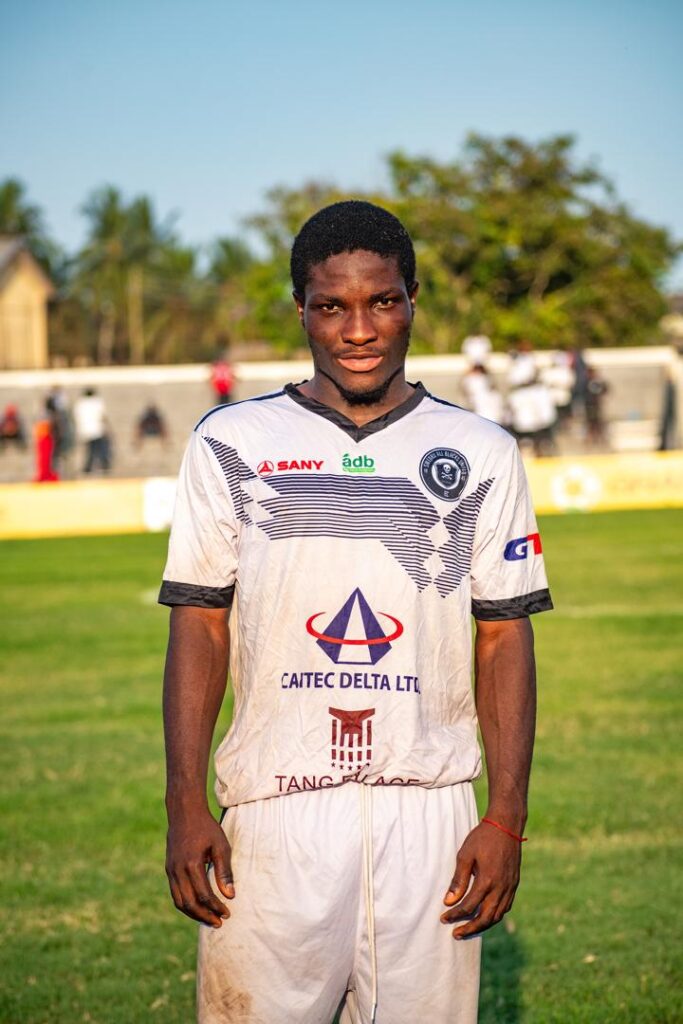
Agona Swedru is buzzing and the name on everyone’s lips is Eric Wiafe Dankwah.

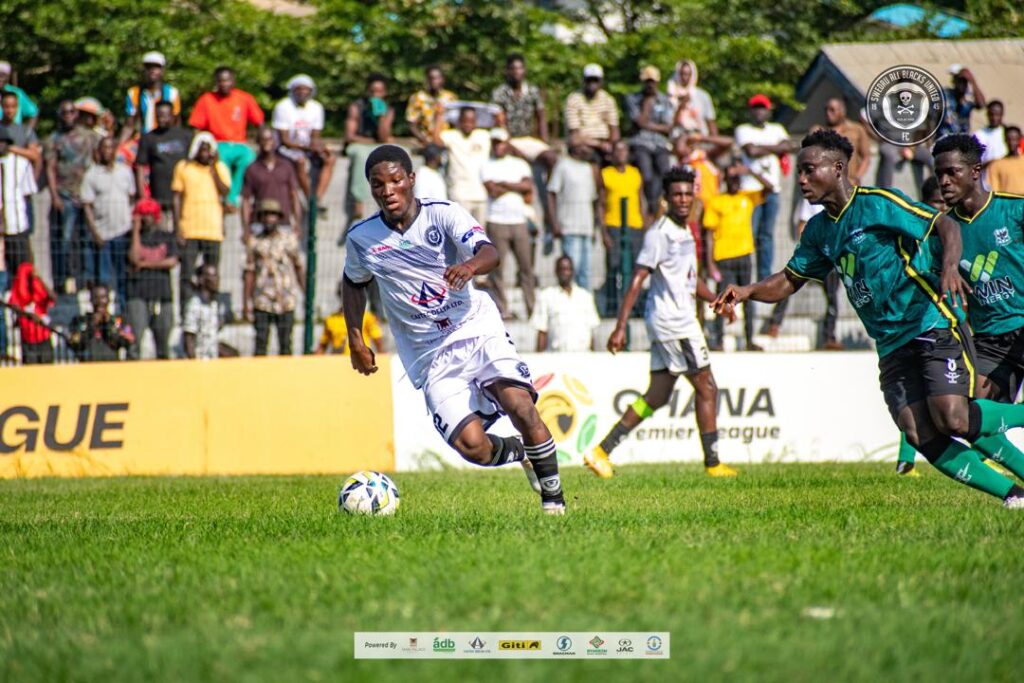
The 17-year-old midfield prodigy delivered a breakout performance for Swedru All Blacks in their hard-fought 1-0 victory over FC Samartex 1996 in the Ghana Premier League, firmly announcing himself as one of the league’s most exciting young prospects.

A Star Is Born in Swedru

Despite his tender age, Dankwah played the full 90 minutes with remarkable composure and authority. The gifted left-footed playmaker was at the heart of everything positive for the All Blacks, dictating tempo, unlocking spaces, and constantly troubling the Samartex defence.

The defining moment came when his intelligent movement and attacking instinct won the decisive penalty that secured all three points for the home side. His overall impact earned him a well-deserved Man of the Match award a huge statement from a teenager competing against seasoned professionals.

“Messi” of Agona Swedru

Nicknamed “Messi” by fans for his close control, creativity, and eye for goal, Dankwah operates as a classic No.10 with modern flair. His ability to glide past defenders, demand possession under pressure, and create opportunities out of tight situations has quickly made him a fan favorite.

But beyond the flair lies maturity.

What truly sets Dankwah apart is his mentality. He does not shy away from responsibility. He wants the ball in crucial moments. He thrives under pressure. That confidence and football intelligence make him stand out in Ghana’s top-flight competition.

IMG 20260216 WA0003

A Bright Future for Ghana Football

Dankwah’s rapid rise is another powerful reminder of the depth of talent in Ghana’s football system. At just 17, earning consistent minutes in the Ghana Premier League speaks volumes about his discipline, work ethic, and undeniable quality.

If he continues on this trajectory, it may not be long before bigger clubs locally and internationally begin to circle. Ghana has a proud history of exporting elite talent, and Eric Wiafe Dankwah is positioning himself as the next name to watch.

For now, Swedru celebrates its new sensation.
And Ghana football may have just found its next jewel.

Stay tuned to Bigtimezgh.com for more exclusive sports updates.

Source By BigTimezGH.com

IMG 7047

The recent determination by the Chief Justice that there is no evidence to warrant the removal of the Electoral Commission Chair, her deputies, and the Special Prosecutor marks a significant moment in Ghana’s democratic development. This decision goes beyond a routine constitutional process; it stands as a powerful affirmation that independent institutions can function objectively under a well-structured administration that respects democratic principles.

At the heart of every thriving democracy is the independence of its institutions. When the judiciary, electoral bodies, and accountability offices are allowed to operate without interference, democracy becomes stronger, more credible, and more stable. The Chief Justice’s careful examination of the petitions and his conclusion that no sufficient evidence exists demonstrate that due process remains the guiding principle of our constitutional order.

Under the new administration, we are witnessing encouraging signs that governance is being anchored in the rule of law rather than political convenience. The Chief Justice’s decision reinforces the idea that constitutional officers cannot be removed based on speculation, pressure, or partisan expectations. Evidence, procedure, and constitutional standards must guide such actions, and in this case, they clearly did.

It is important to recall that before his appointment, sections of the New Patriotic Party (NPP), now in opposition, cast doubt on his independence and integrity. Narratives were advanced suggesting that he would be politically aligned or influenced. However, this recent development has shown otherwise. The Chief Justice has demonstrated professionalism, impartiality, and fidelity to the Constitution.

By declining to recommend removal in the absence of evidence, he has strengthened public confidence in the judiciary and affirmed that the courts are not extensions of political power. His conduct serves as a clear rebuttal to earlier criticisms and proves that Ghana’s institutions are guided by law, not political propaganda.

ALSO: Protecting Ghana’s Water Resources, and Securing Ghana’s Future, EPA Must Dechemicalize The Polluted Water Bodies

This moment should be applauded as a strong indication that the system is working. The Electoral Commission and the Office of the Special Prosecutor are sensitive institutions whose independence must be protected. The fact that the constitutional process was followed thoroughly and objectively reflects a governance environment that understands and respects democratic boundaries.

Democracy is not tested when institutions agree with political actors; it is tested when they act independently, even in politically sensitive matters. The Chief Justice’s decision sends a reassuring message that Ghana’s constitutional safeguards remain intact.

The new administration deserves commendation for fostering an atmosphere where institutions are empowered to operate within the law, free from undue pressure. When the executive respects institutional autonomy and the judiciary upholds constitutional standards, democracy flourishes.

This is more than a legal determination, it is a democratic milestone. It signals that Ghana’s constitutional architecture is resilient and that independent institutions can indeed work independently under responsible and structured leadership.

Gallant Cadres of NDC

Comrade Richard E A Sarpong, Father Casford. The PRO, 0208573712
Ohemaa Akosua Borngreat, Deputy PRO, 0243179445

Mr F Kadan, Secretary, 0242276044
Mr Eric Takyi, Deputy Secretary, 0546572070

Mr Lawrence Odoom, Vice Chair, 0272626466

Source By The Gallant Cadres of NDC


261A0745
Professor Ama Browne Klutse

The Environmental Protection Authority (EPA) Ghana, in line with its core mandate to manage, protect, and enhance the country’s environment, joins the call to protect Ghana’s precious water resources.

As Ghana faces threats from pollution, plastic waste, and climate change, the EPA Ghana emphasizes the importance of safeguarding our water bodies for public health, food security, and economic growth.

The Risks:

Contaminated water causes diseases like cholera and diarrhea
Pollution harms aquatic ecosystems and biodiversity
Water scarcity affects agriculture and food production
Plastic waste devastates marine life and pollutes oceans

ALSO: Sweet Relief: GTA and Rotary Club Bring Chocolate Day Cheer to Ankaful Main Camp Inmates

The Benefits of Protection:

– Clean water ensures public health and hygiene
– Healthy water bodies support fisheries and agriculture
– Protected water resources boost economic growth and industry
– Sustainable water management mitigates climate change impacts

What Can We Do?

– Reduce plastic use and properly dispose of waste
– Support water conservation efforts
– Report pollution incidents to authorities
– Use water efficiently and promote sustainable practices

The EPA Ghana calls on all Ghanaians to join forces in protecting our water resources for future generations. Together, we can ensure a healthy, thriving Ghana tomorrow.

EPA Ghana: Protecting the Environment, Preserving Our Future

Comrade Richard E A Sarpong, Father Casford. The PRO, 0208573712
Ohemaa Akosua Borngreat, Deputy PRO, 0243179445

Mr F Kadan, Secretary, 0242276044
Mr Eric Takyi, Deputy Secretary, 0546572070

Mr Carrick Kpeglo, Chairman, 0542002741
Mr Lawrence Odoom, Vice Chair, 0272626466

Source By The Gallant Cadres of NDC