
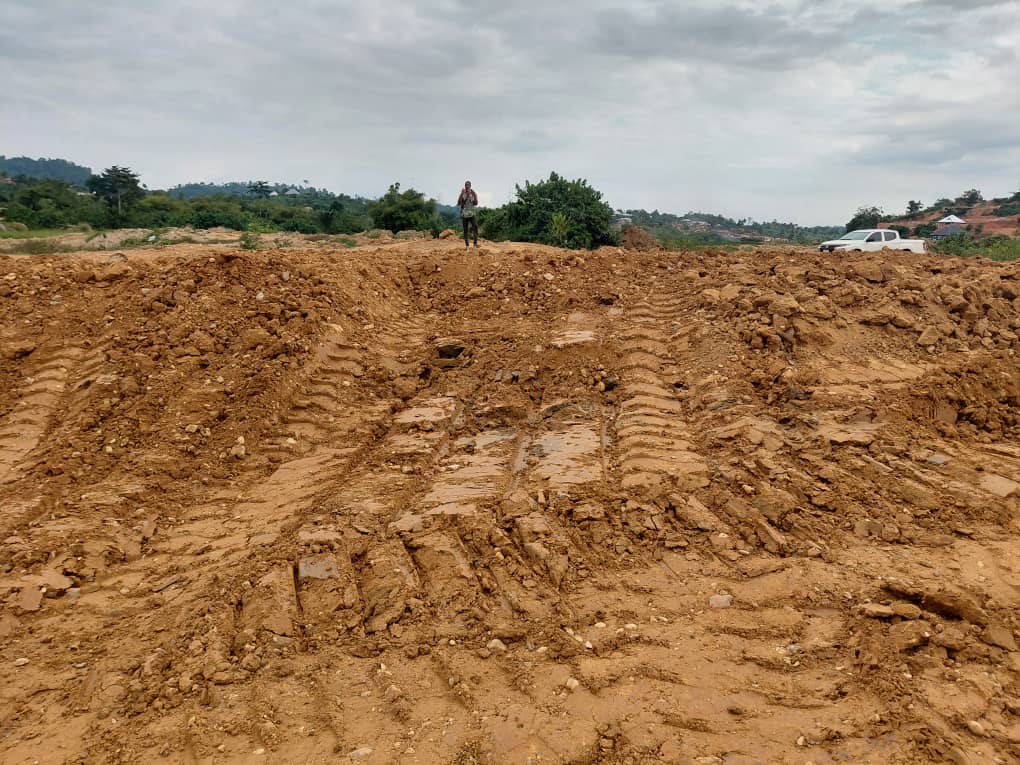
The Central Regional Land Reclamation Committee has chalked up a significant victory in the ongoing fight against illegal mining, commonly known as galamsey, by reclaiming 10 hectares of degraded land within six months and bringing an end to deadly drowning incidents linked to abandoned mining pits.
The milestone achievement was announced in a press release dated December 15, 2025, signed by the Committee’s Secretary, CDCO E. K. Dawood Mensah, who also serves as the Central Regional Director of the National Disaster Management Organisation (NADMO).
According to the release, the committee was established through a resolution of the Regional Security Council (REGSEC) and officially inaugurated on June 19, 2025, following years of public concern over the dangers posed by uncovered mining pits across parts of the Central Region, particularly in the Upper Denkyira East Municipality.
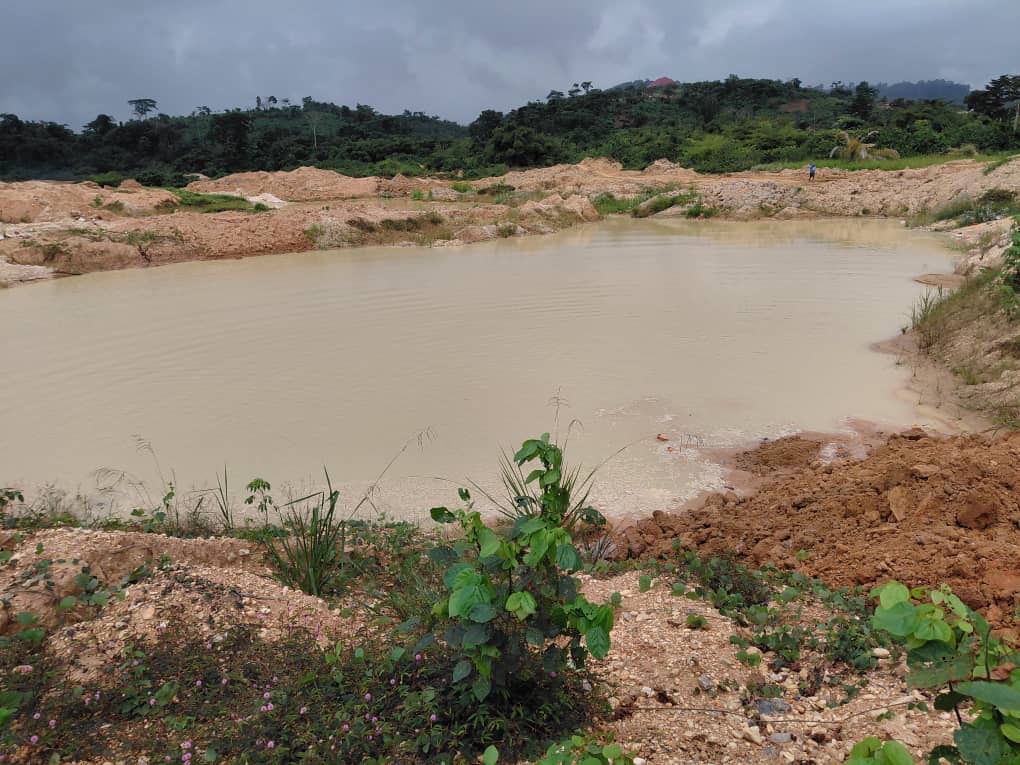
Successive governments, the statement recalled, had rolled out several anti-galamsey operations over nearly two decades, including Operation Flush-Out (2006), the Inter-Ministerial Task Force (2013), Operation Vanguard (2017), Operation Halt (2024), and NAIMOS (2025). While these operations succeeded in disrupting illegal mining activities, they often failed to address the environmental destruction and safety hazards left behind.
As a result, deep pits filled with water were abandoned, turning farmlands and forest areas into death traps, especially for children, farmers, and unsuspecting residents.
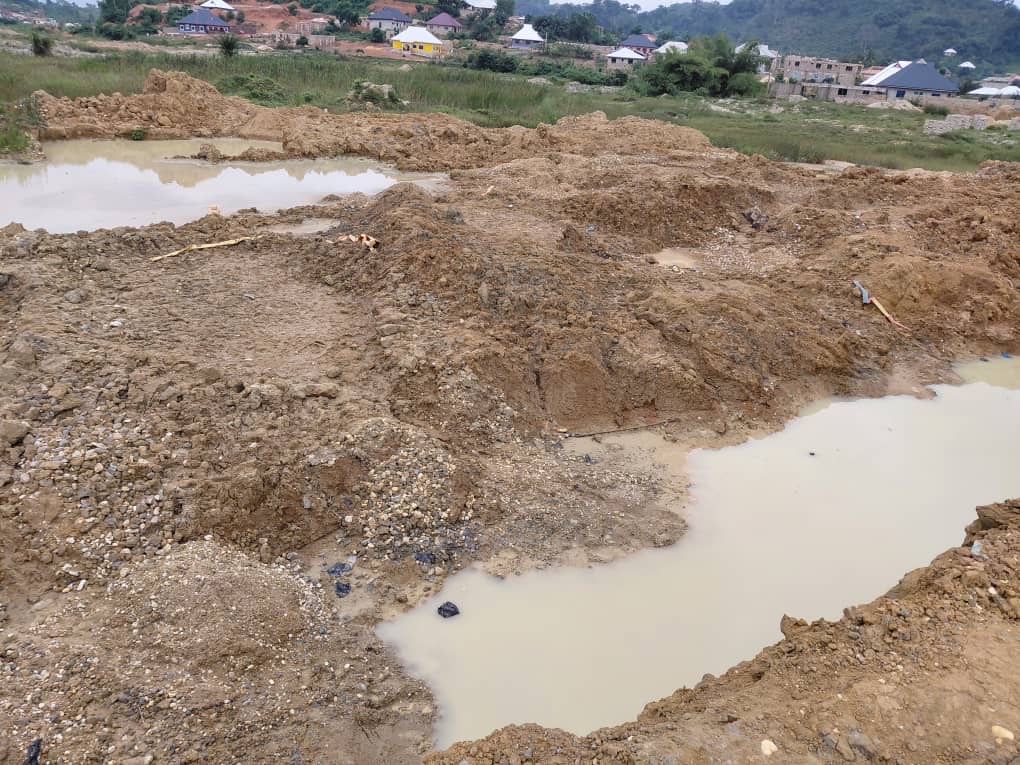
Data obtained from the Ghana Police Service (Upper Denkyira East Division) and NADMO Central Region revealed a disturbing trend prior to the committee’s formation. Between February and August 2025, 27 people lost their lives after drowning in abandoned galamsey pits within the area.
Since the launch of the land reclamation exercise, however, no drowning cases have been recorded, a dramatic turnaround that officials describe as proof that the initiative is saving lives.
Beyond preventing deaths, the reclamation exercise has also brought environmental relief to affected communities. Degraded lands have been leveled, dangerous pits filled, and unstable grounds restored, reducing the risk of erosion and water contamination.
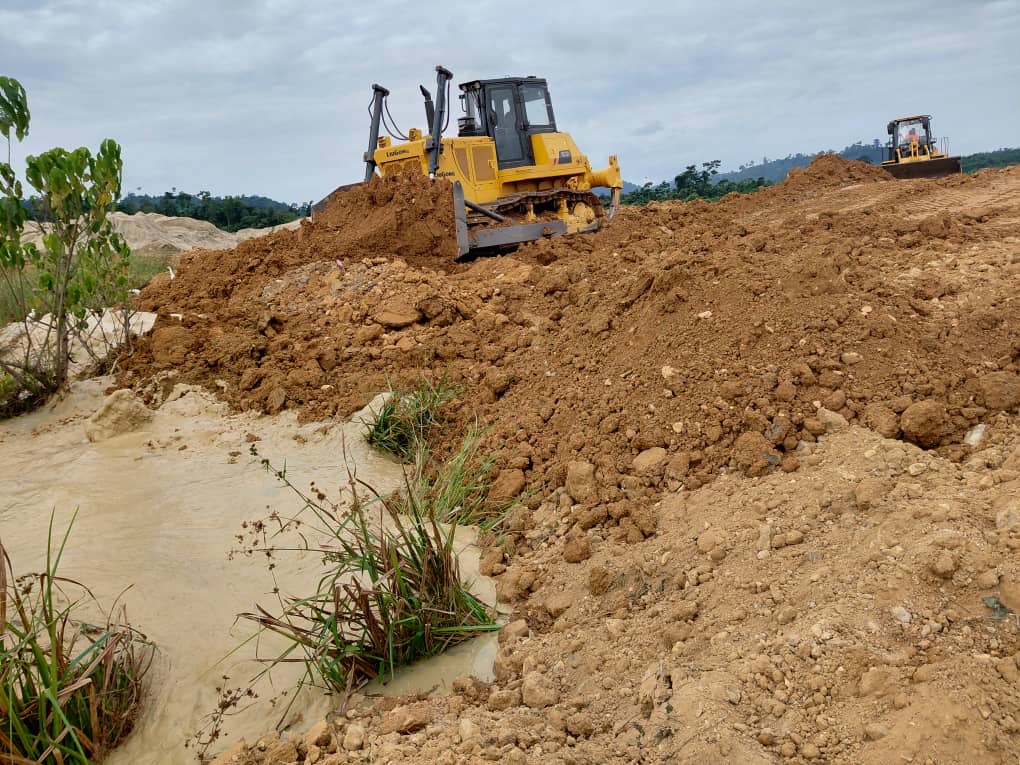
Although the committee faced early challenges such as limited vehicle support and weather-related delays caused by heavy rainfall, the overall impact of the project has been overwhelmingly positive.
The committee credited its progress to strong collaboration among security agencies, local government authorities, traditional leaders, and technical experts, as well as the cooperation of community members who provided local knowledge and support.
This collective effort, the release noted, has helped tackle not only illegal mining activities but also the lingering consequences that enforcement operations often leave behind.
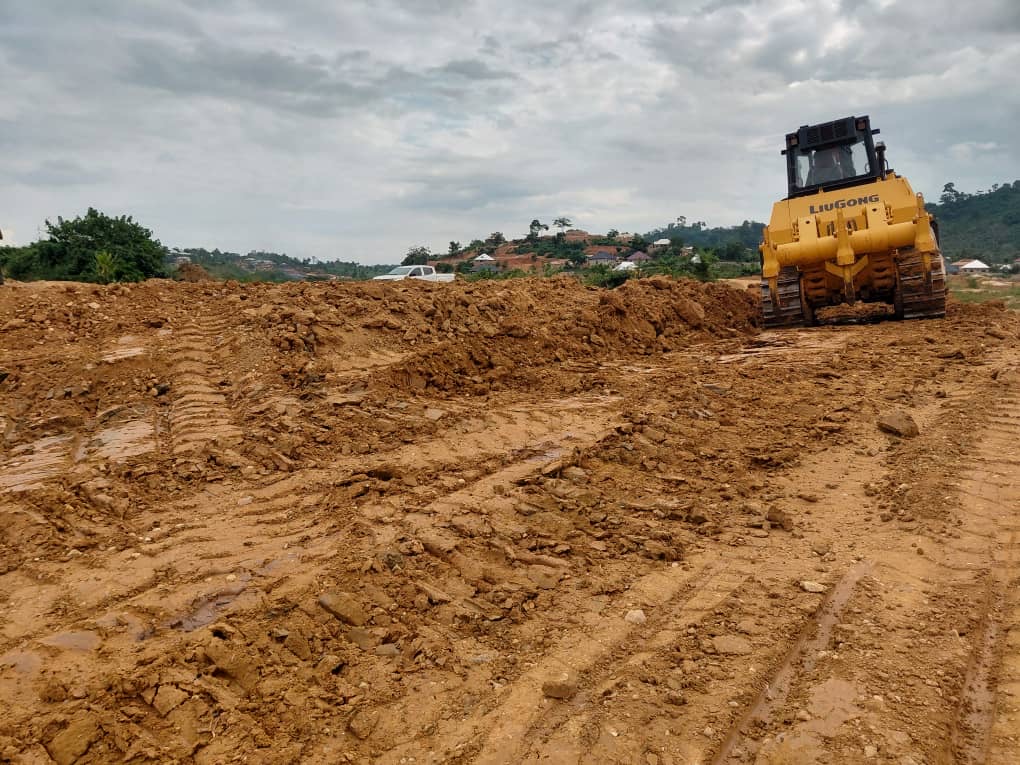
To protect the gains made so far, the committee has called on REGSEC to put in place robust security measures to prevent illegal miners from reoccupying reclaimed lands. Without such protection, the committee warned, there is a risk that the same areas could once again be destroyed.
The committee further recommended that the Regional Coordinating Council (RCC) develop a comprehensive land-use plan to ensure reclaimed lands are put to productive and sustainable use, including agriculture, afforestation, or community development projects.
Officials believe that giving the land a clear purpose will discourage illegal mining and provide alternative livelihoods for residents.
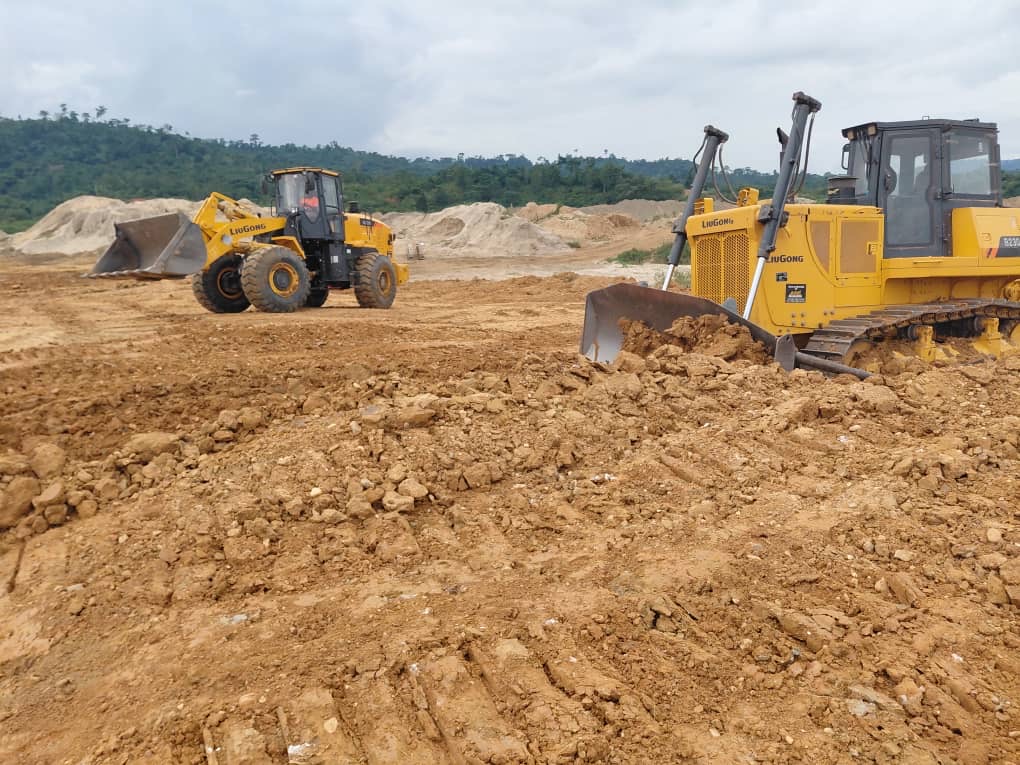
The statement also emphasized the importance of continuous public sensitization and community engagement, noting that the fight against galamsey cannot succeed without the active support of local people.
Residents are being encouraged to report illegal mining activities and resist any attempts to allow miners back onto reclaimed sites.
The Central Regional Land Reclamation Committee reaffirmed its commitment to continuing the exercise, stressing that environmental restoration, public safety, and sustainable land management remain its core priorities.
With consistent support from government institutions and local communities, the committee believes the initiative can serve as a model for other regions grappling with the deadly legacy of illegal mining.
Source By DC Kwame Kwakye