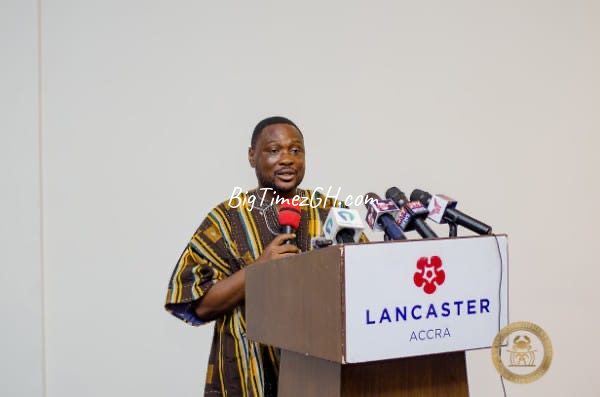
The Cape Coast Metropolitan Assembly has officially activated its 8-Year Development Plan, moving from policy document to action by securing key partnerships and seed funding at its inaugural implementation forum in Accra on Wednesday.
Held at the Lancaster Hotel, the event transcended a typical briefing, transforming into a high-stakes gathering of the city’s elite. Sons and daughters of the ancient city, from legal luminaries to business leaders, converged to underwrite a vision to reinvent Cape Coast as a “modern and vibrant” economic hub.

The Vision: Beyond the Castle Walls
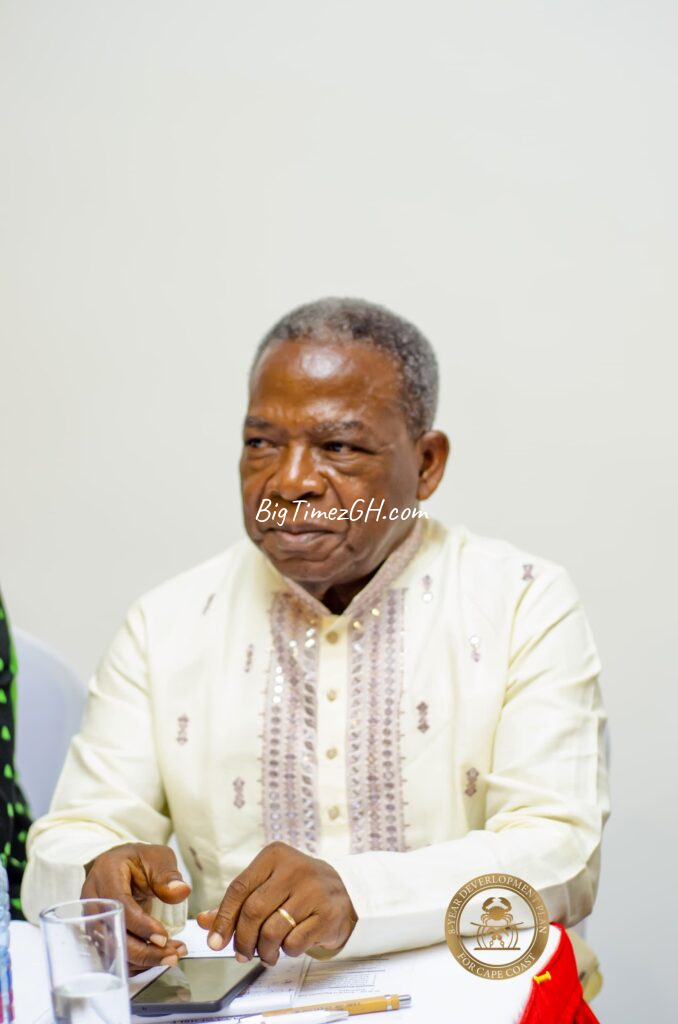
Metropolitan Chief Executive
George Justice Arthur laid out a blueprint founded on inclusivity and sustainability, prioritizing a massive upgrade of infrastructure roads, water, and sanitation while strengthening healthcare and education. However, it was his focus on economic reinvention that captured the room’s attention.
“We will promote tourism, leveraging our historic sites and the beauty of our natural landscape,” Arthur stated, positioning the sector as a key job creator. He argued that to drive growth, the assembly must aggressively harness technology for revenue mobilization and forge partnerships to ensure public service delivery aligns with compliance.

“The Mother City” Must Rise Again
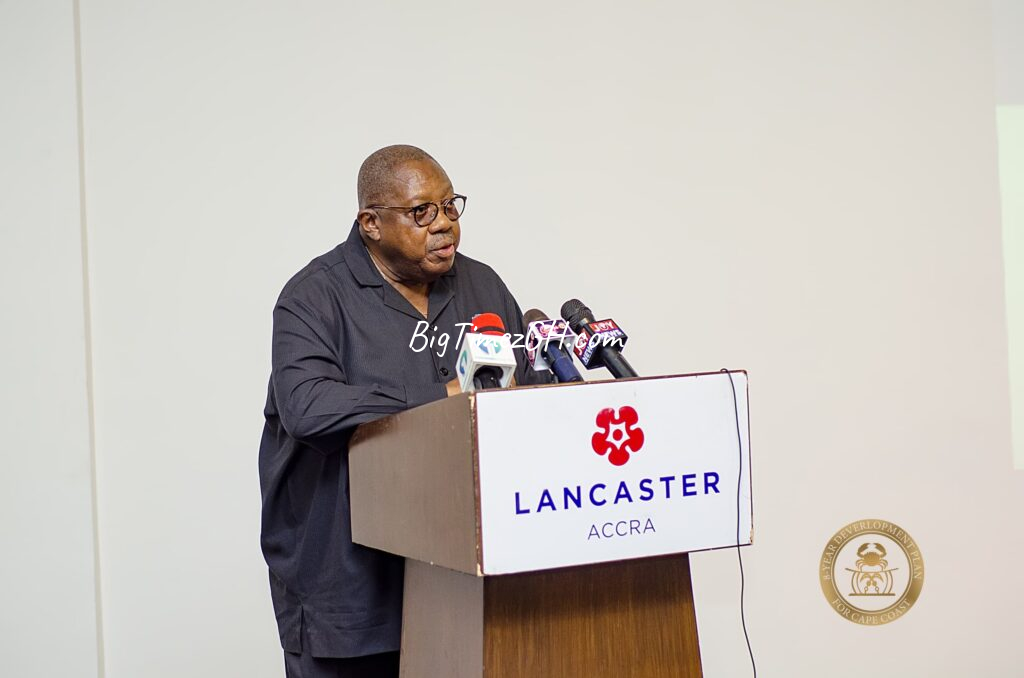
Charlotte Kesson-Smith Osei, former EC Chair and special guest, challenged attendees to embrace the city’s legacy. Revealing that recent research uncovered over “60 historical firsts” for Cape Coast, she lamented that the city has fallen behind due to a lack of collective will. Quoting scripture, she declared, “Today, we have witnessed the vision, and it is our collective responsibility to run with it.”
This call to action was echoed by the MP for Cape Coast North, Dr. Kwamena Minta Nyarku (Ragga), who posed a pointed question to the gathering: “Beyond our prestigious schools and existing hospitals, what new innovations are we creating?” He cautioned against resting on the city’s laurels, urging stakeholders to deploy innovative revenue strategies to fund the transformation.
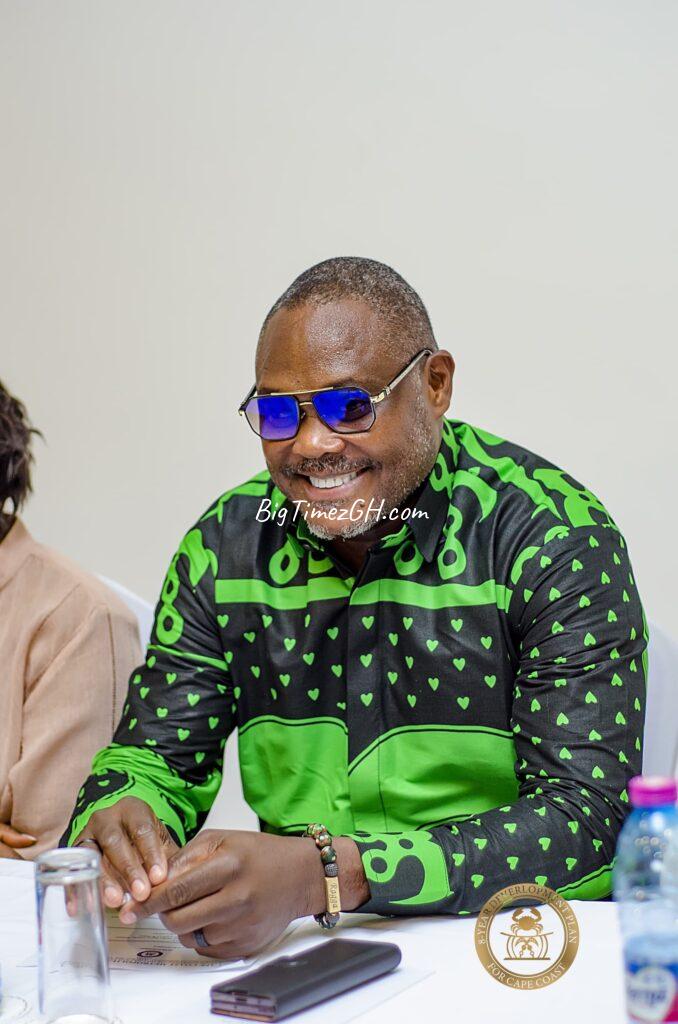
Veteran lawyer Nana Ato Dadzie added a practical dimension, advising the assembly to tap into the vast human capital of old student associations, suggesting they could replicate their fundraising prowess to support the municipal agenda.
The Ledger of Ambition
The forum concluded not with rhetoric, but with a balance sheet. In a tangible show of commitment, attendees pledged responsibility for specific projects, effectively crowd-sourcing the implementation of the plan:
· Charlotte Osei took charge of the redevelopment of Victoria Park, the Museum, and the Fosu Lagoon.
· Frank Hutchful (Oguaa Akoto) was tasked with renovating the historic Old High Court Building.
· Nana Kweku Yensu I will lead the renovation of the Bond of 1844 building.
· Nana Ato Dadzie pledged to cover all architectural and development design costs.
By the close of the event, the assembly had raised ¢76,000.00 in cash and pledges, supplemented by $20,000 in foreign donations a down payment on a plan that seeks to blend public funds, private capital, and civic duty.
As the 2026–2033 roadmap is unfurled, the question posed by Ragga lingers: Can the city of firsts deliver on its promise to become a center for innovation and investment? For now, the vision has been written. The task of implementation has begun.
Source By DC Kwame Kwakye