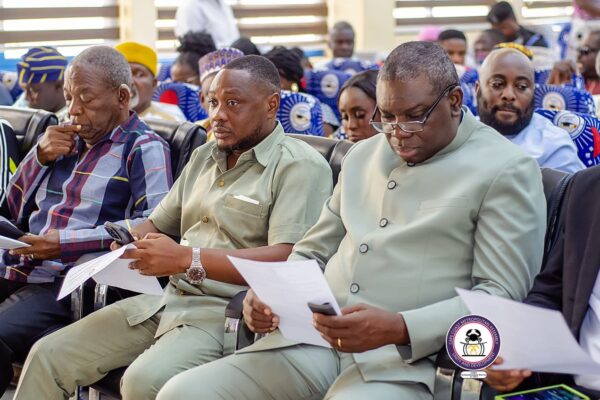

Cape Coast – In the wake of a devastating rainstorm that claimed four lives and displaced nearly 3,000 residents, the Cape Coast Metropolitan Assembly (CCMA) has announced a comprehensive emergency action plan aimed at averting future flooding disasters.
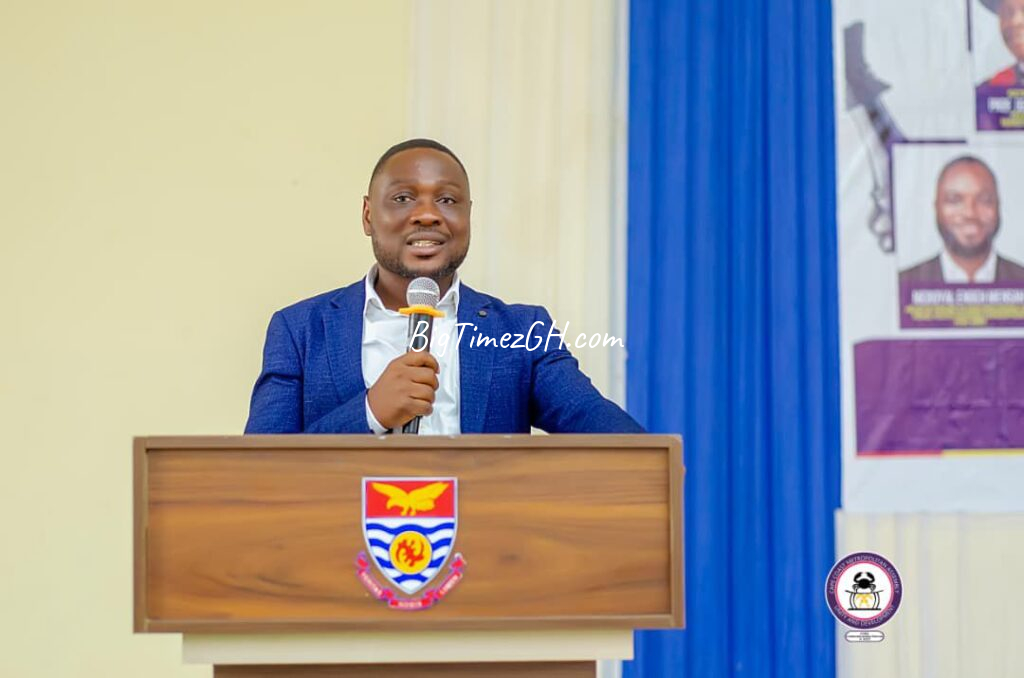
Metropolitan Chief Executive George Justice Arthur revealed the sweeping measures during a press conference on Thursday, June 23, 2026, stating that the assembly has identified critical infrastructural and regulatory failures as the root causes of the crisis.
The Flood and Its Aftermath
The torrential downpour on Friday, June 19, 2026, which lasted for several hours, inundated communities that had never previously experienced flooding. The hardest-hit areas include Ekon, Abura, the University of Cape Coast (UCC) and its environs, Ameen Sangari, DVLA/Nokaans, Eyifua, Mpeasem, Adisadel, Nkanfoa, and Asenadze.
The flood’s impact was catastrophic. According to the MCE, the storm caused the collapse of ten (10) mud houses, resulting in the deaths of four persons, including three children. One individual remains missing, while eight others are in critical condition but currently receiving medical care at Ewim Polyclinic and the Cape Coast Teaching Hospital. A staggering 2,929 residents have been rendered homeless.
Root Causes Identified
Following internal deliberations, the Assembly’s management outlined four primary factors contributing to the perennial flooding:
1. Inadequate Drainage: Narrow drains and the absence of a comprehensive drainage master plan.
2. Aging Infrastructure: The prevalence of old mud structures, some ranging from 100 to 250 years old.
3. Obstruction of Waterways: Unauthorized structures built on water paths, preventing free flow.
4. Poor Waste Disposal: Residents dumping solid waste into gutters and unauthorized locations.
The Assembly’s Response: Two Committees Formed
To address these issues, the MCE announced the formation of two specialized committees tasked with enforcement and resettlement.
· Committee 1 (Demolition & Identification): Tasked with identifying dilapidated structures, determining occupancy numbers, identifying suitable resettlement land, and developing a funding proposal for the displaced.
· Committee 2 (Resettlement & Restoration): A five-member team responsible for determining structures built on waterways or walkways, verifying building permits, planning the removal of illegal structures, and identifying historically significant buildings for restoration and tourism preservation.
Drainage Improvement Strategy
Beyond enforcement, the CCMA has committed to a long-term infrastructure overhaul, which includes:
1. The development of a dedicated drainage master plan for the metropolis.
2. Regular desilting of drains to ensure water flows freely.
3. A holistic expansion of existing drainage infrastructure.
4. Implementation of a community-based sanitation approach.
5. A massive decongestion exercise across the metropolis.
Past Interventions
Arthur noted that last year’s floods prompted some initial mitigation efforts, including the expansion of the Kru Town storm drain, desilting of drains at Aquarium and Abura, demolition of illegal structures in Adisadel and London Bridge, and the formation of a joint technical committee with UCC. Despite these efforts, he acknowledged that the scale of the recent disaster necessitates more drastic action.
With the Ghana Meteorological Agency (GMet) forecasting more rains for the remainder of the year, the effectiveness of the CCMA’s newly announced measures will be crucial in determining whether the residents of Cape Coast can weather the upcoming storms safely.
Source By DC Kwame Kwakye